
Asphalt Paving vs. Concrete: Choosing the Right Surface
People seeking asphalt paving vs. concrete: choosing the right surface often want durable, smooth, and attractive results, which local contractors can expertly provide.
If you're exploring options for upgrading or installing a new surface on your property, understanding the differences between asphalt paving and concrete is an important first step. Property owners in the area often consider these choices for driveways, parking lots, walkways, and other surfaces, each offering unique benefits depending on specific needs and preferences. Whether prioritizing durability, cost-effectiveness, or appearance, many find that consulting local contractors can provide valuable insights tailored to their project goals.
Continuing your research can reveal practical reasons why asphalt paving or concrete might be the right choice for your property. Local service providers are equipped to help evaluate factors like climate, usage, and maintenance expectations, ensuring that the chosen surface aligns with long-term needs. By exploring these options and connecting with experienced contractors, property owners can make informed decisions that enhance both functionality and curb appeal.
- Driveway installation - homeowners considering asphalt paving vs. concrete for driveways can rely on local contractors to recommend the most durable and cost-effective option.
- Parking lot paving - businesses needing large-scale paving often turn to local service providers who specialize in asphalt for smooth, long-lasting surfaces.
- Roadway repair - municipalities and property managers seeking repairs or new pavement prefer local pros experienced in asphalt resurfacing and maintenance.
- Pathway and walkway paving - property owners choosing between asphalt and concrete for walkways can consult local experts to determine the best material for foot traffic and aesthetics.
- Repaving projects - those updating aging surfaces often work with local contractors to assess whether asphalt or concrete offers better longevity and performance.
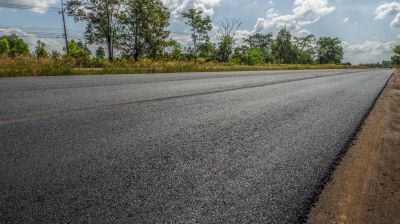
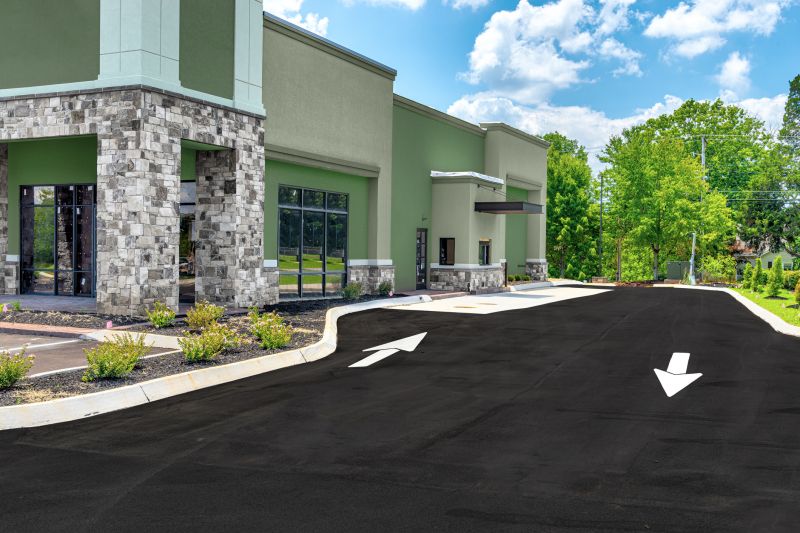
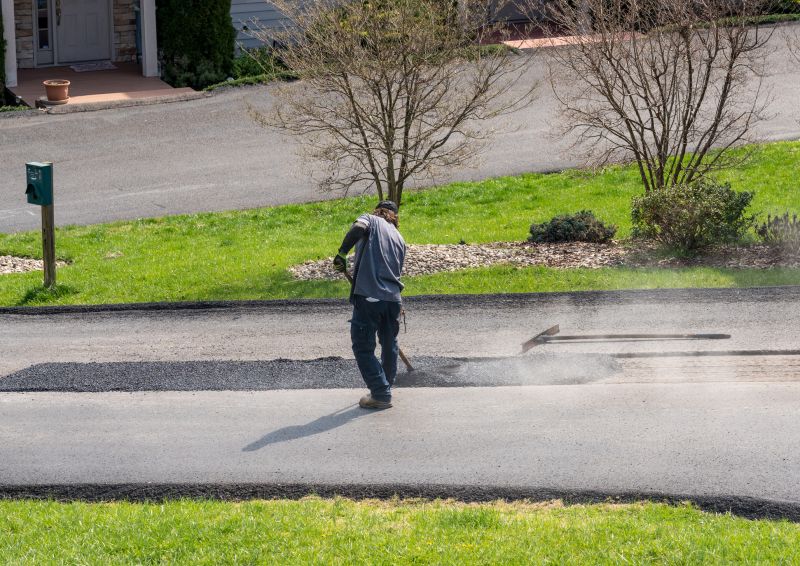
When homeowners search for information about asphalt paving vs. concrete: choosing the right surface, they are typically trying to determine which material best suits their upcoming project, such as driveway installation, parking lot paving, or walkway construction. The decision often stems from concerns about durability, appearance, maintenance needs, and overall cost. People want to understand the long-term performance of each material, how they hold up under different weather conditions, and which option aligns better with their property’s specific use. This exploration helps property owners avoid costly mistakes and select a surface that will meet their expectations for years to come.
This topic is closely related to property improvement plans that involve creating functional, accessible, and visually appealing outdoor spaces. Common problems include choosing a surface that withstands frequent vehicle traffic, resists cracking or deterioration, and fits the aesthetic of the property. Whether upgrading a residential driveway, expanding a commercial parking lot, or paving a private driveway for a new home, understanding the differences between asphalt paving and concrete helps homeowners make informed decisions. Local contractors who specialize in these surfaces can assess the property’s conditions and recommend the most suitable material based on the specific project requirements.
The types of properties that typically come up in discussions about asphalt paving vs. concrete: choosing the right surface include residential homes, small commercial buildings, retail centers, and industrial facilities. Residential properties often involve driveways and walkways, where curb appeal and longevity are key considerations. Commercial and industrial properties may require larger parking lots or loading areas that need to handle significant daily traffic. Each property type has unique demands, and the choice of surface can impact maintenance, appearance, and functionality. Local service providers familiar with these different property types can help evaluate the site and suggest the best material for the intended use.
Understanding the differences between asphalt paving and concrete is essential for property owners planning new installations or replacements. Asphalt tends to be more flexible, making it suitable for areas prone to shifting or cracking, and generally offers easier repairs. Concrete, on the other hand, provides a more rigid and durable surface that can last for decades with minimal maintenance, often favored for its clean look. Local contractors experienced in both materials can help property owners weigh these factors in relation to their specific project goals. By connecting with these service providers, homeowners can ensure the chosen surface will meet their needs for durability, appearance, and long-term performance.
Driveway Installation - Local contractors specializing in driveway installation can help determine whether asphalt paving or concrete best suits specific property needs and aesthetic preferences.
Parking Lot Paving - Service providers experienced in parking lot projects understand the differences in durability and maintenance between asphalt and concrete surfaces.
Sidewalk Construction - Professionals skilled in sidewalk construction can advise on the most appropriate material based on foot traffic and design considerations.
Patio and Outdoor Space Paving - Local pros can assist in selecting the right surface for outdoor patios, balancing appearance, longevity, and usage requirements.
Roadway Resurfacing - Contractors with roadway resurfacing experience can help evaluate whether asphalt or concrete offers better performance for heavy traffic areas.
Industrial Flooring Projects - Experts handling industrial flooring can provide insights into material choices that meet the demands of commercial or industrial environments.
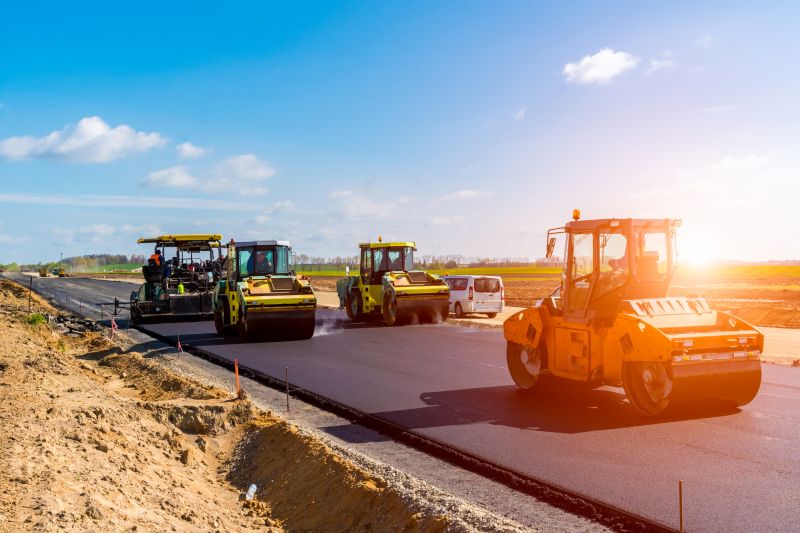
When evaluating asphalt paving versus concrete for a driveway or other surface, it is essential to consider the experience of local contractors with similar projects. Homeowners should seek service providers who have a proven track record of completing work comparable in scope and complexity. This experience can help ensure the contractor understands the specific challenges and best practices associated with each surface type, leading to a more successful outcome. Reputable local pros often showcase their expertise through portfolios or references, making it easier for homeowners to assess their capability to handle the chosen material effectively.
Clear, written expectations are a critical part of selecting the right service provider for asphalt paving services or concrete work. Homeowners should look for contractors who can provide detailed descriptions of the work process, materials used, and the scope of the project. Having this information in writing helps prevent misunderstandings and ensures everyone is aligned on project deliverables. Good communication from the beginning also indicates that the contractor values transparency and is committed to keeping the homeowner informed throughout the project, which is vital when making decisions about surface materials.
Reputable local contractors are also distinguished by their ability to provide references from past clients and their responsiveness to questions. Homeowners should feel comfortable asking potential service providers about previous projects similar to theirs and requesting contact information for references. Reliable contractors tend to be transparent and willing to share examples of their work, which can help homeowners gauge the quality and durability of asphalt paving versus concrete surfaces. Additionally, effective communication-such as timely responses and clarity in explanations-can make the process of choosing the right surface and working with the contractor much smoother, ultimately leading to a more satisfying project outcome.
Property owners often search for asphalt paving vs. concrete: choosing the right surface when they are planning practical projects around their homes and businesses. Local pros provide Asphalt Paving services for everyday jobs and straightforward project options.
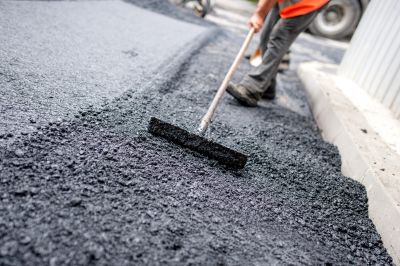
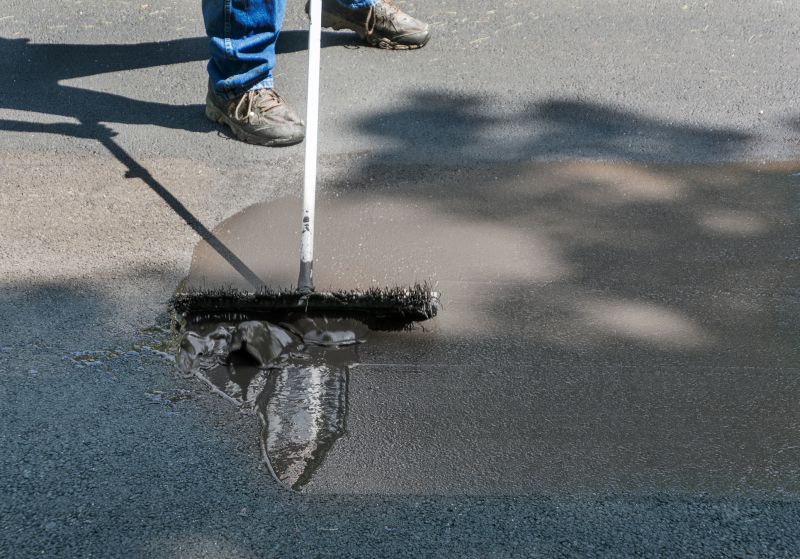
When considering driveway or parking lot upgrades, property owners often explore the differences between asphalt paving and concrete to determine which surface best suits their needs. Factors such as durability, appearance, and maintenance requirements come into play, especially for those planning a new installation or replacement. Local contractors can provide valuable insights into how each material performs under typical weather conditions and daily use, helping property owners make informed decisions that align with their specific project goals.
For many property owners, choosing the right surface involves weighing the benefits of asphalt paving versus concrete in terms of longevity and cost-effectiveness. Asphalt tends to be favored for its quicker installation and ease of repair, making it appealing for projects that require a flexible and budget-friendly solution. Local service providers are experienced in assessing site conditions and guiding property owners toward the best choice, ensuring the selected surface meets both functional and aesthetic needs for their property.
What are the main differences between asphalt paving and concrete surfaces? Asphalt paving typically offers quicker installation and easier repairs, while concrete provides a more durable surface that can last longer with less maintenance. Local contractors can help determine which material suits specific project needs based on usage and conditions.
How does the appearance of asphalt compare to concrete for driveways or walkways? Asphalt generally has a darker, smoother finish that can be resurfaced easily, whereas concrete can be finished in various textures and colors for a more customized look. Local service providers can advise on aesthetic options that match the property's style.
Which surface is better suited for high-traffic areas? Concrete is often preferred for high-traffic areas due to its strength and longevity, but asphalt can also perform well with proper maintenance. Local contractors can assess the specific traffic demands and recommend the best option.
Are there differences in maintenance requirements between asphalt paving and concrete? Asphalt surfaces usually require periodic sealing and repairs, while concrete may need crack filling and occasional surface leveling. Local pros can provide guidance on ongoing maintenance for each type of surface.
How do climate conditions influence the choice between asphalt and concrete? Asphalt tends to perform better in colder climates as it is more flexible and less prone to cracking, whereas concrete can withstand heat better but may crack in freeze-thaw cycles. Local contractors can help evaluate climate impacts when choosing a surface material.
Assessing durability needs - property owners can work with local contractors to determine whether asphalt paving or concrete best withstands foot and vehicle traffic in their area.
Considering maintenance requirements - choosing the right surface involves understanding how much upkeep each option demands, with local pros providing guidance on long-term care.
Matching aesthetic preferences - property owners can explore how asphalt paving and concrete complement their property's style, with local service providers helping achieve the desired look.
Evaluating budget and lifespan - decision-making can include consulting local contractors about the expected longevity and costs associated with each surface type to make an informed choice.
If you are thinking about asphalt paving vs. concrete: choosing the right surface for a property, this guide is meant to help you understand this topic, the typical project types, and how different options might fit your plans.
When you are ready, you can use the quote form on this page to share a few details about your project. From there, local pros can review the basics and follow up with options that match what you have in mind.